

Beyond molding: ready-to-use functional assemblies.
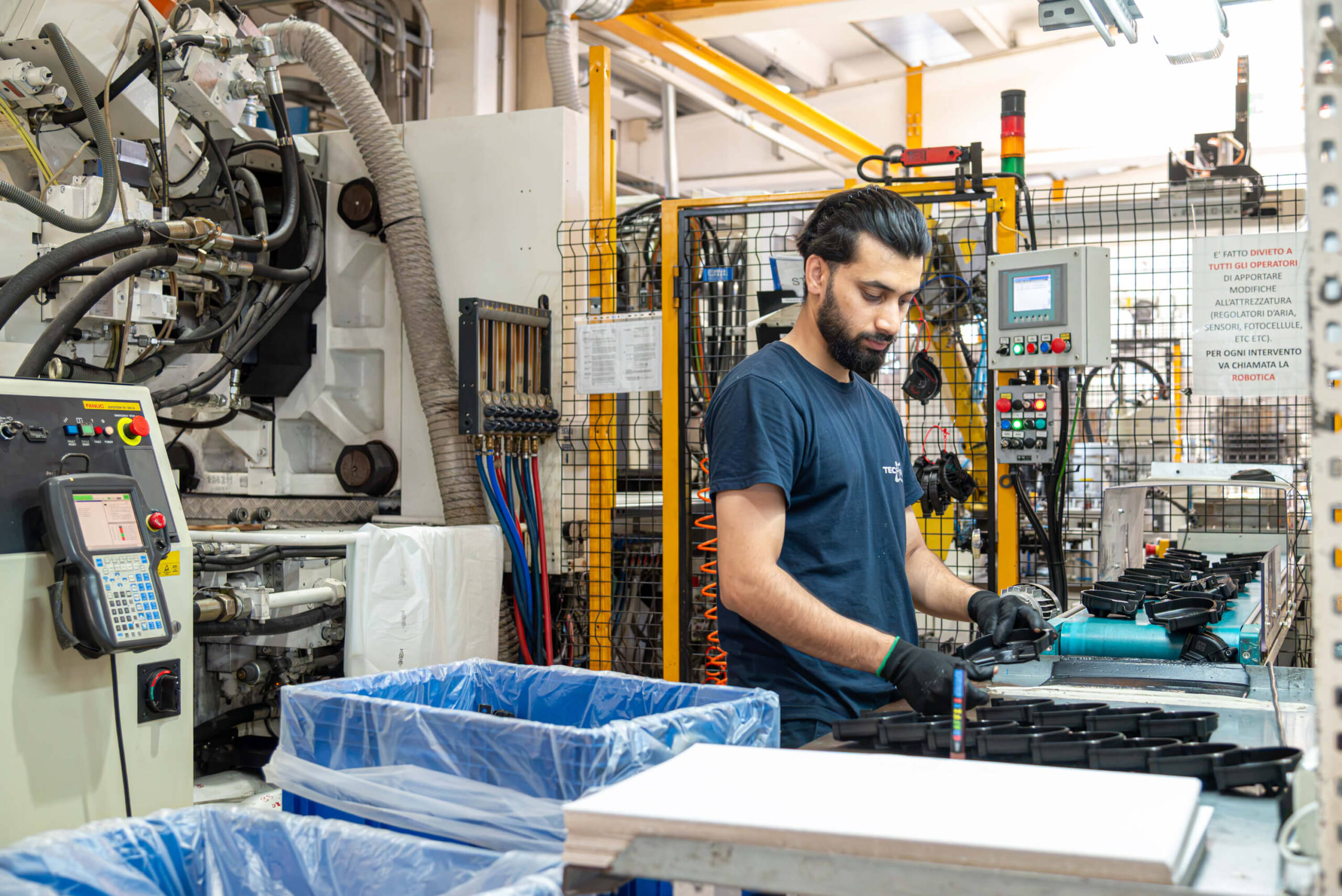
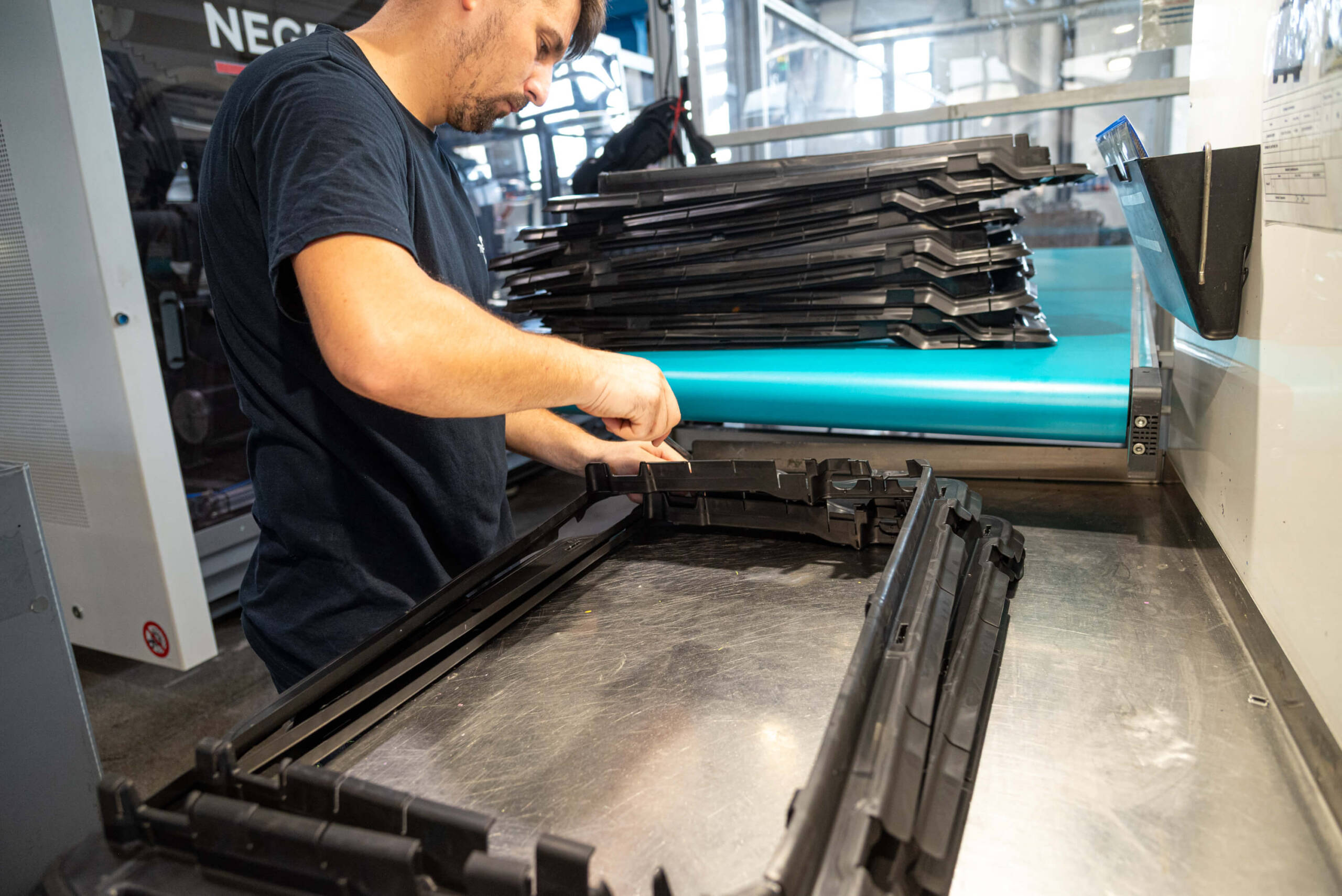
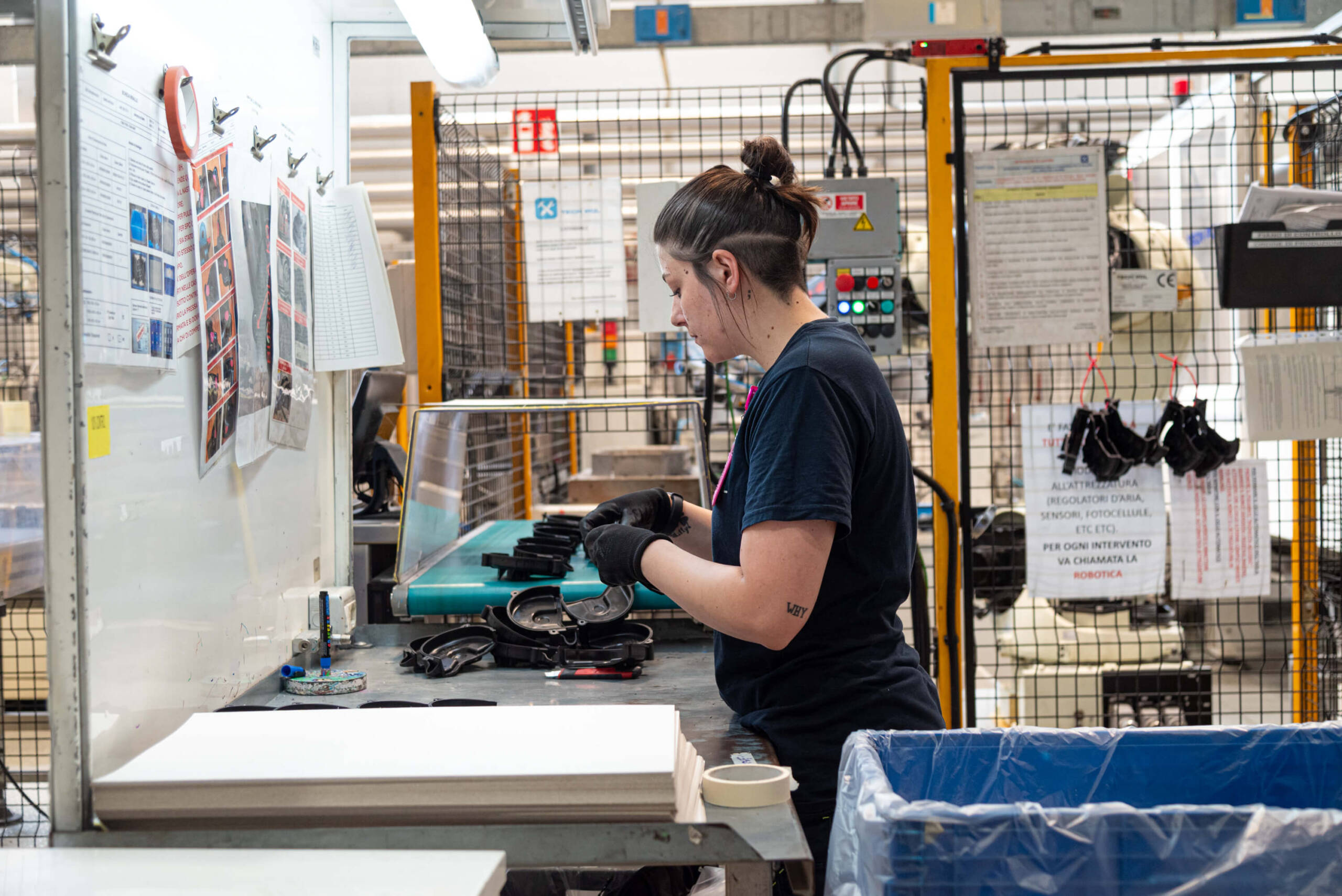
Production does not end when the component leaves the press. The assembly department is the stage where plastic elements are integrated with mechanical and electronic components, transforming them into complete subassemblies. Managing this stage makes it possible to deliver finished, tested products ready for integration into final assembly lines.
Mechanical Integration and Assembly
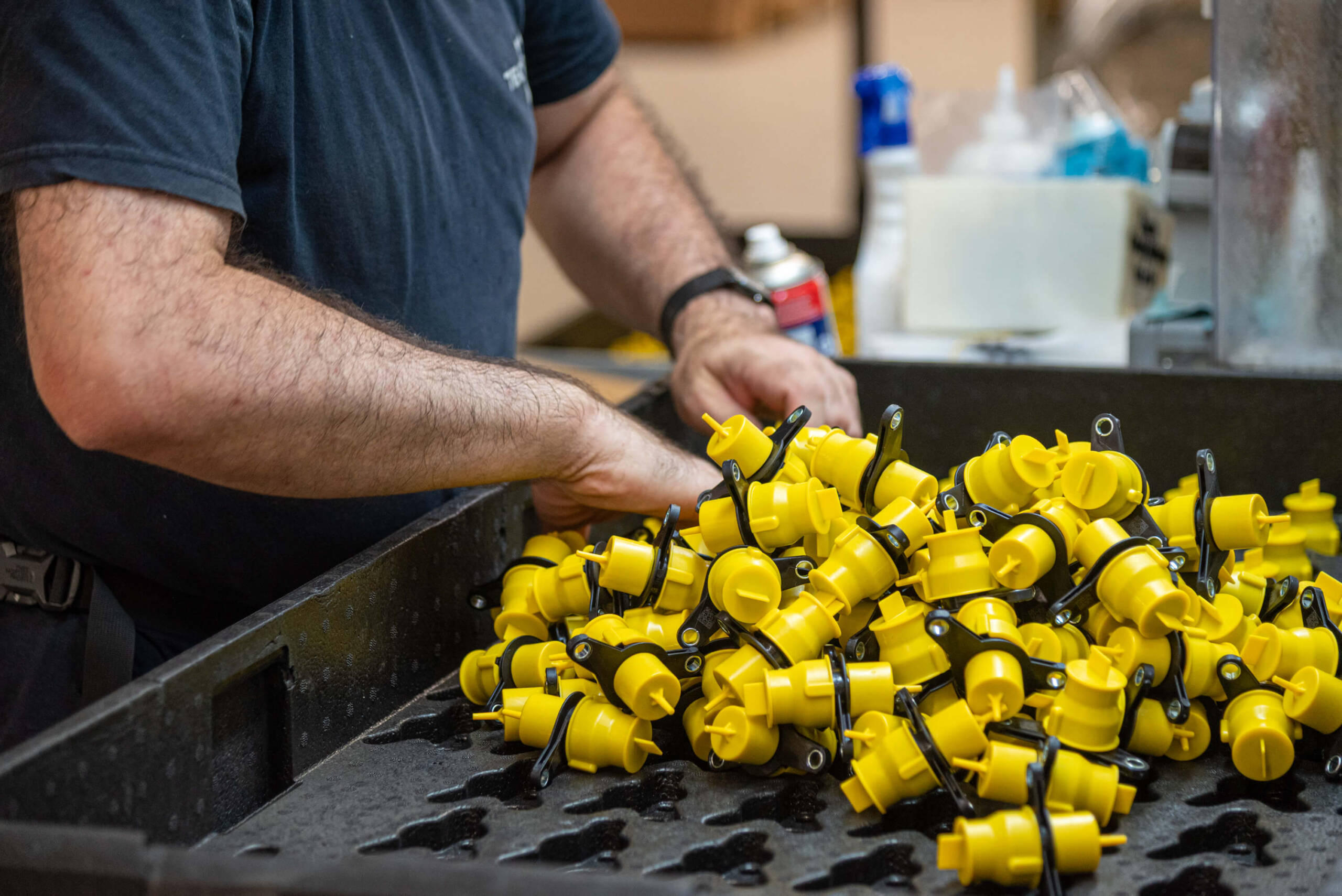
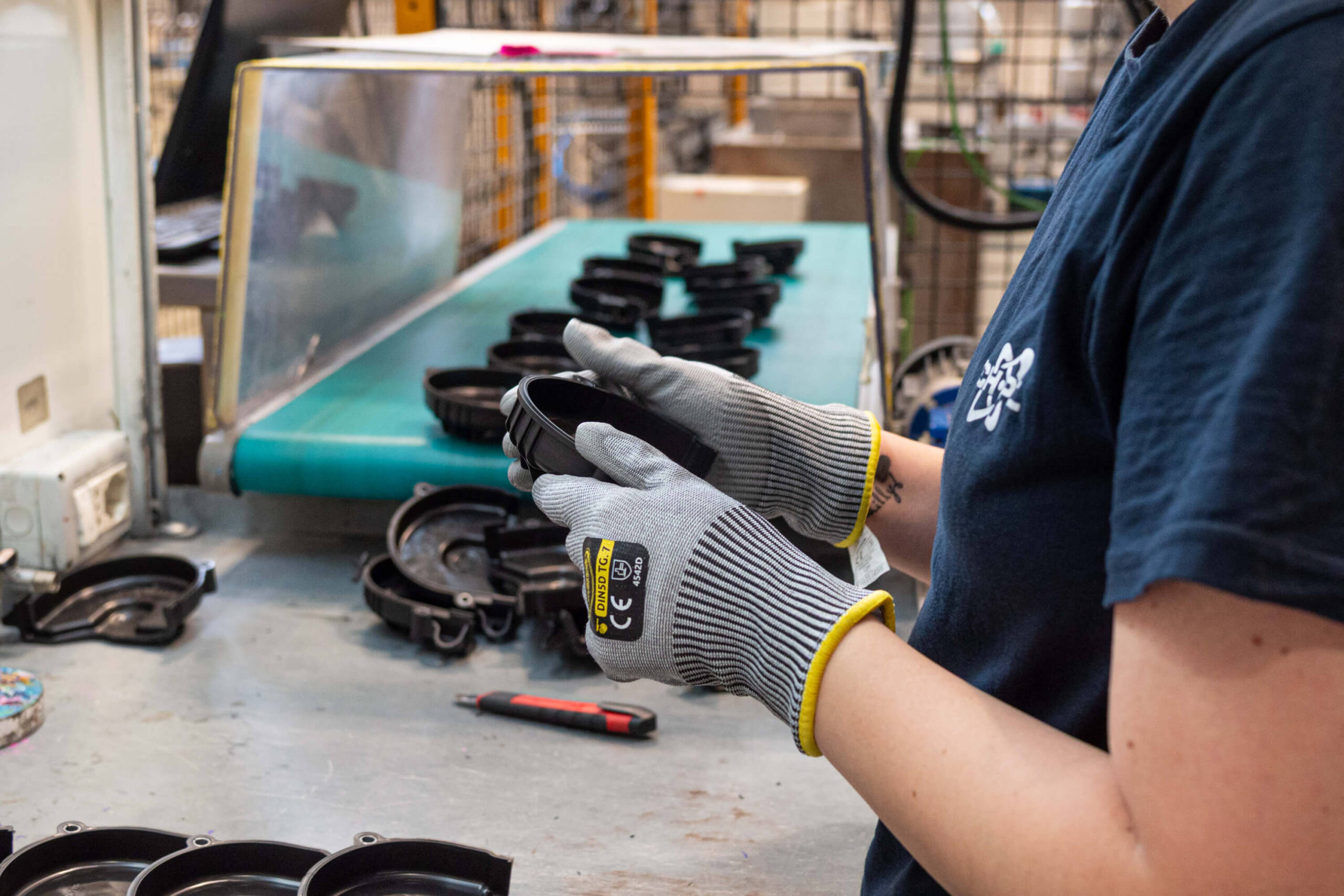
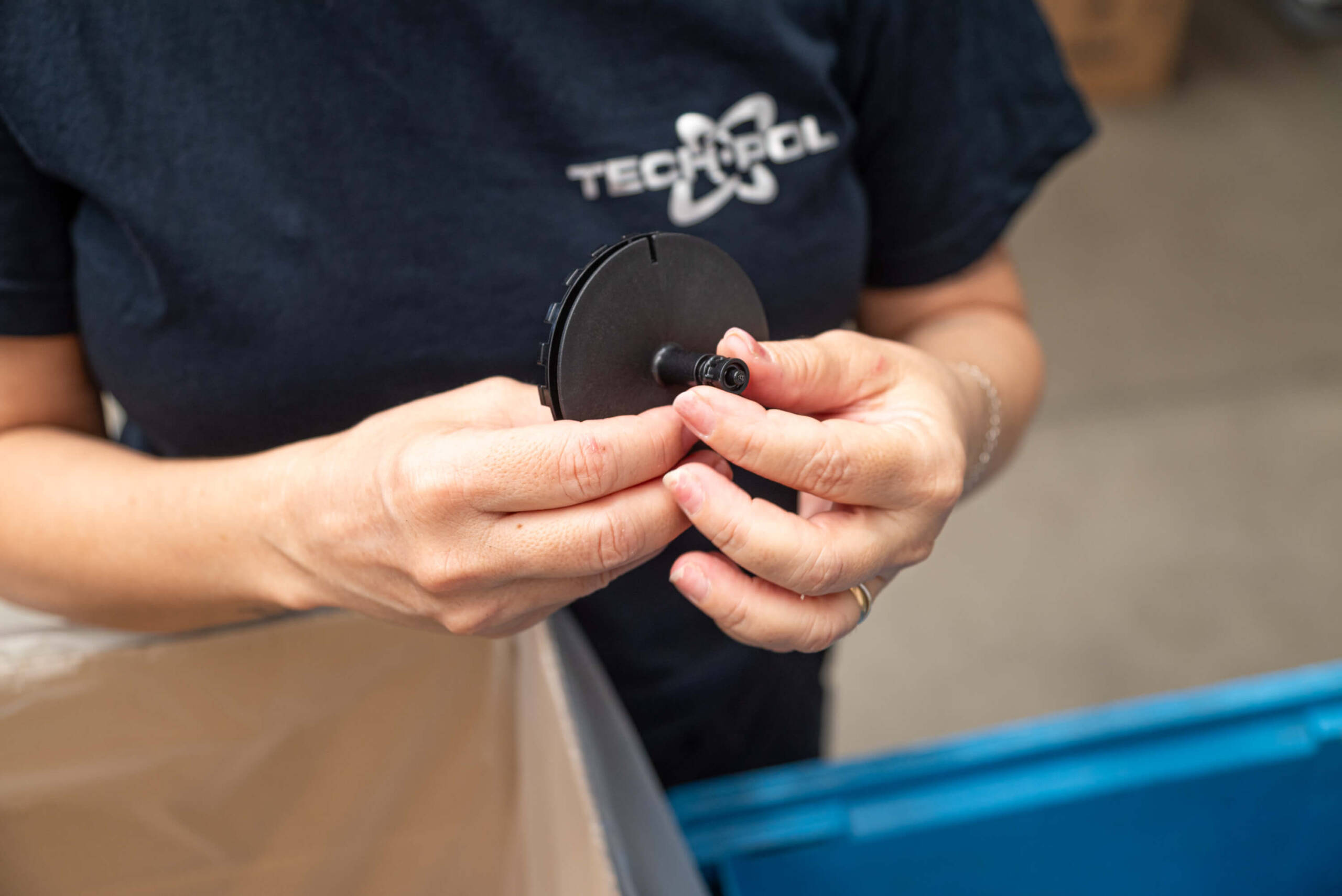
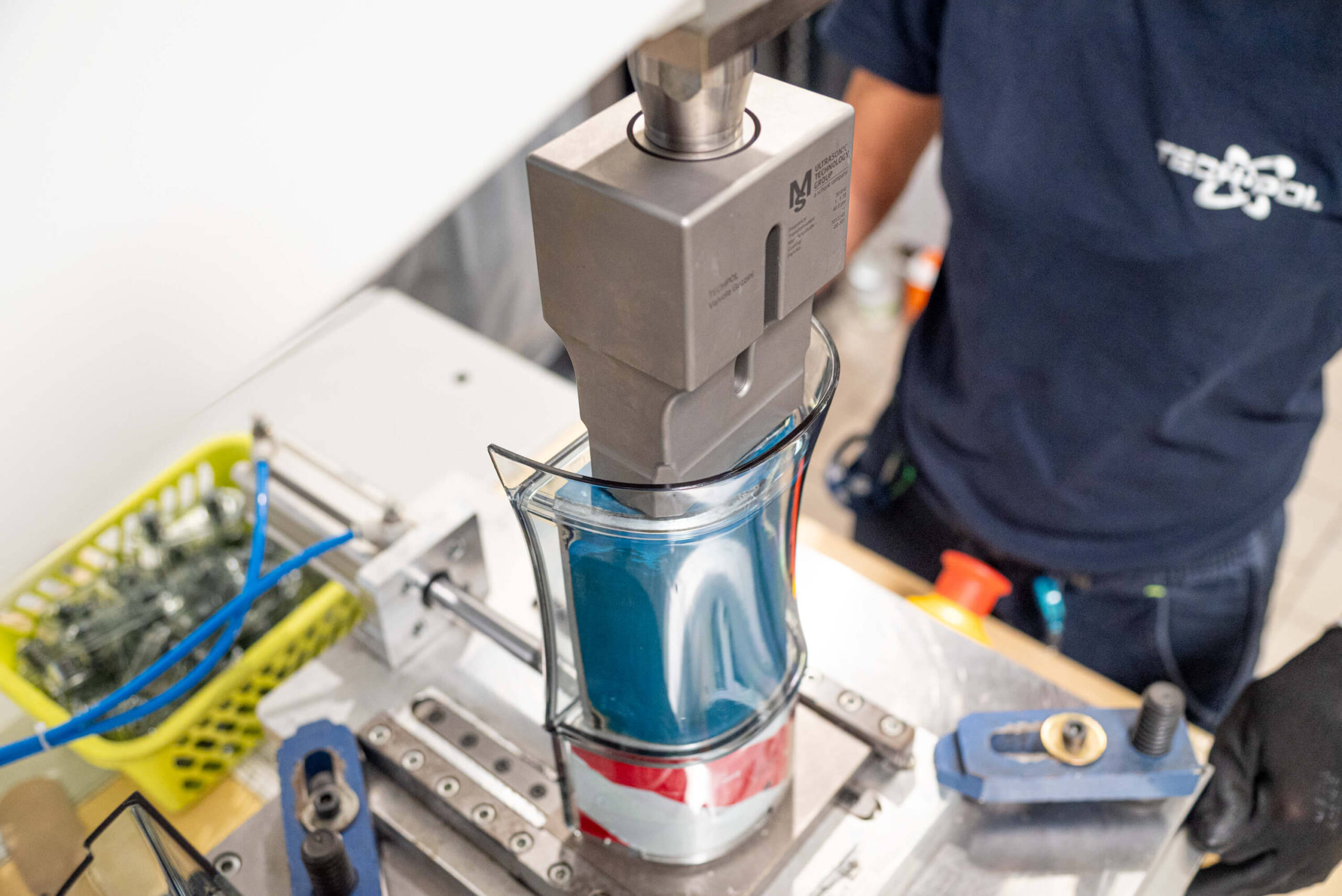
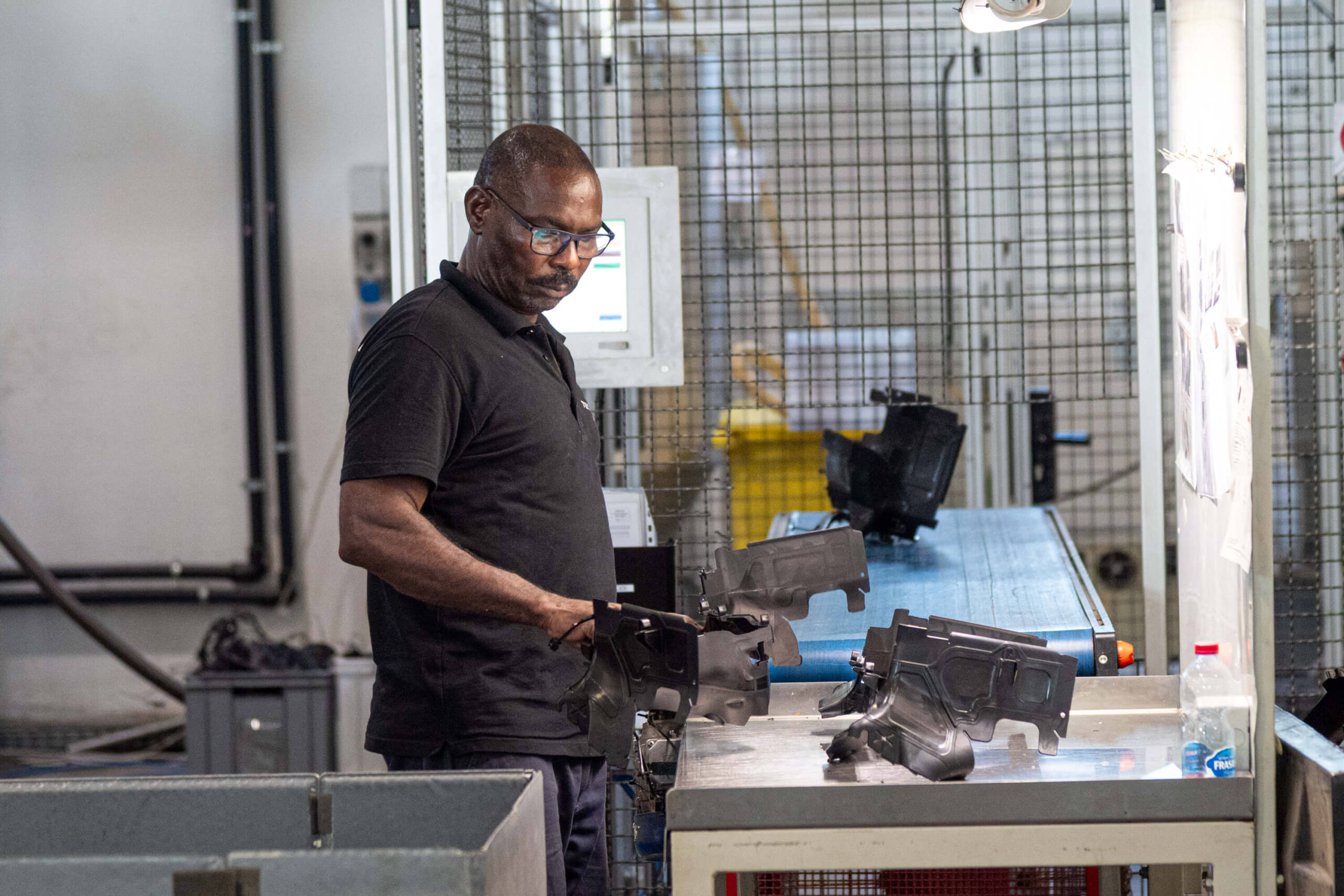
Assembly involves joining plastic components with metal inserts, bushings, seals and fastening systems. The mating interfaces are studied during the design phase to ensure proper functionality and mechanical strength throughout the product’s entire life cycle. This makes it possible to obtain complete assemblies, ready for use or for integration into more complex assemblies.
Automated Assembly Systems
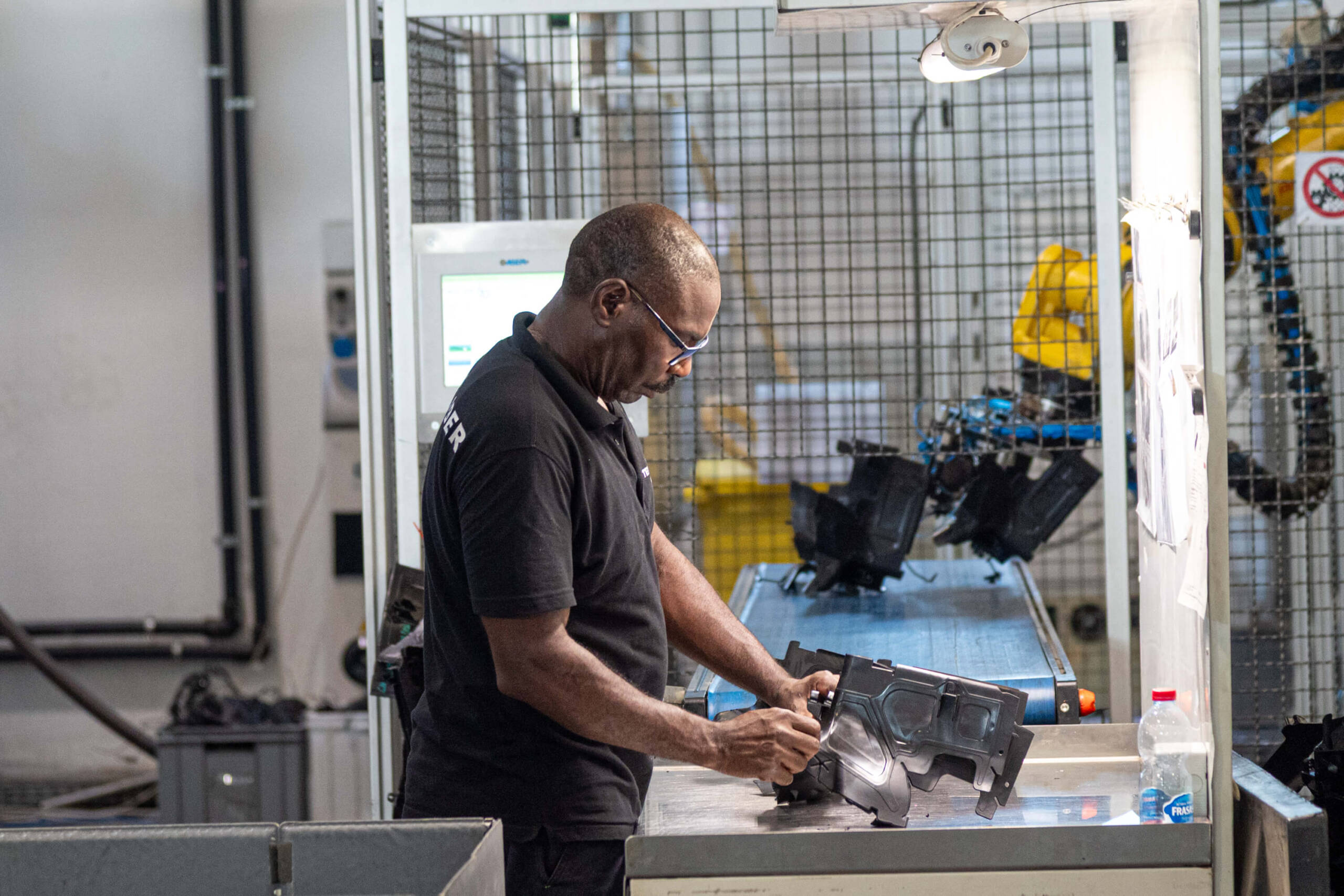
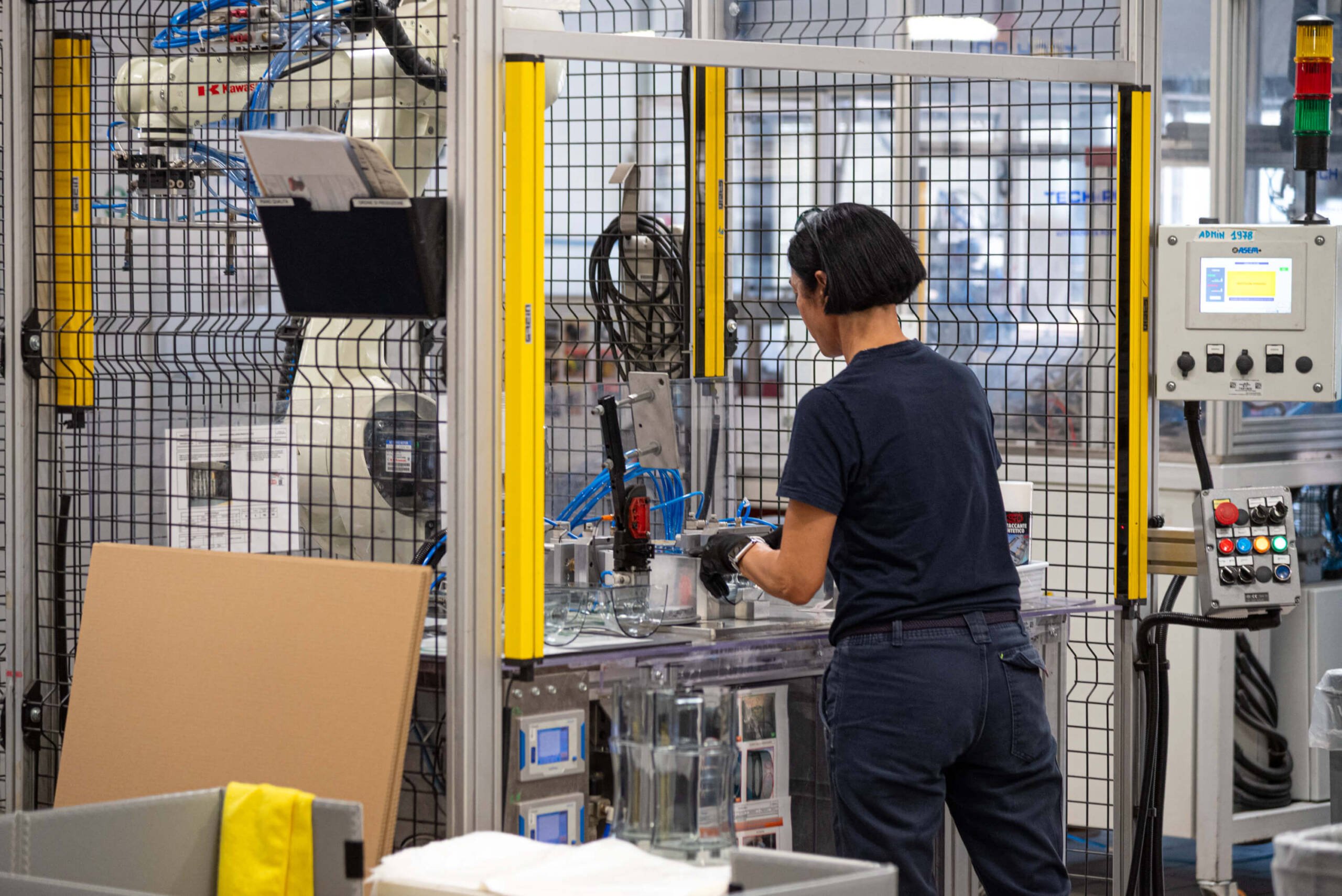
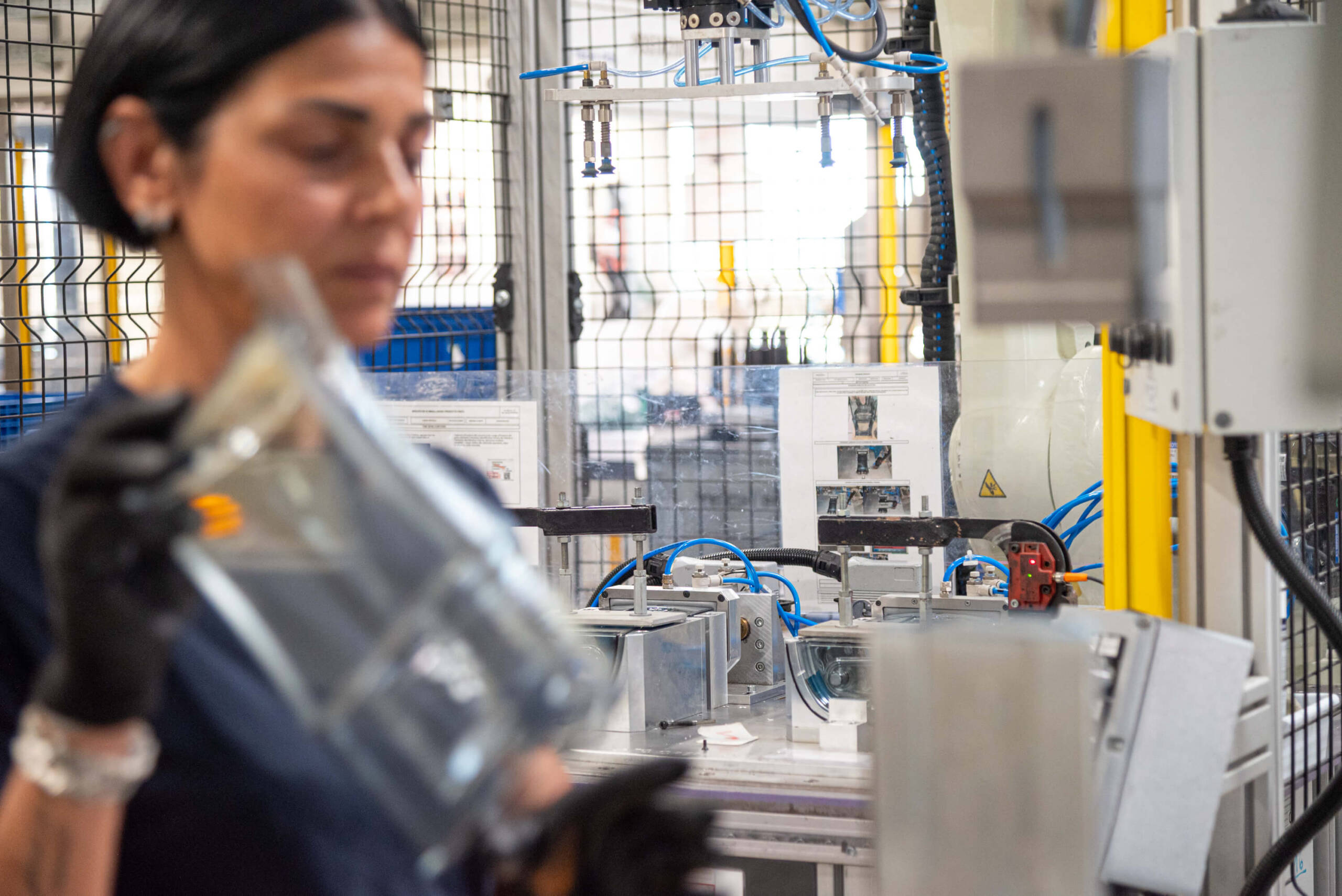
For high-volume production, internally designed automated assembly cells are used. Integration with robots and handling systems ensures consistent precision and repeatability of operations, even during intensive production cycles. Automation reduces the variability of manual operations and makes it possible to maintain stable cycle times.
Final Inspection and Complete Management
Before delivery, Techpol can integrate functional testing and management of accessory components, simplifying the operational flow for the customer.
Testing and Functional Validation
When required by the project, each assembled unit undergoes functional testing, such as pneumatic leak tests, electrical conductivity checks or automated optical inspections. Component compliance is verified before the packaging stage, ensuring that the products are ready for use on the customer’s production lines.
Bill of Materials and Supply Chain Management
Assembly also includes the management of the accessory components required for assembly. Techpol can take over the Bill of Materials (BOM), handling the purchasing and storage of the components required for production. This simplifies the supply chain and reduces the number of logistical steps between suppliers.
What does this mean for the customer
Supply of complete assemblies ready for integration into assembly lines
Assemblies designed to ensure long-term strength and functionality
Automated processes for stable and repeatable production
Functional testing before delivery
Supply chain simplification through Bill of Materials management